CES has always been a mix of serious innovation, ambitious concepts, and products that exist mostly to grab attention. The Best of CES 2026 awards cut through that noise by focusing on what actually stood out after days of hands-on demos, briefings, and long walks across the Las Vegas Convention Center.
This year's winners were selected by experts from outlets including CNET, PCMag, Mashable, ZDNET, and Lifehacker, with awards spanning 22 categories plus a single Best Overall winner. The list paints a clear picture of where consumer and enterprise technology is heading in 2026: more local AI, lighter and more modular hardware, practical robotics, and a renewed focus on solving everyday problems rather than chasing specs alone.
AI quietly dominated, but not always in obvious ways
Artificial intelligence was everywhere at CES 2026, but the Best of CES winners show a shift away from flashy demos toward more integrated, usable implementations. In the Best AI Tech category, Lenovo's Qira assistant stood out for blending on-device and cloud AI into a single system that follows users across phones, tablets, and PCs without forcing them to think about where processing happens.
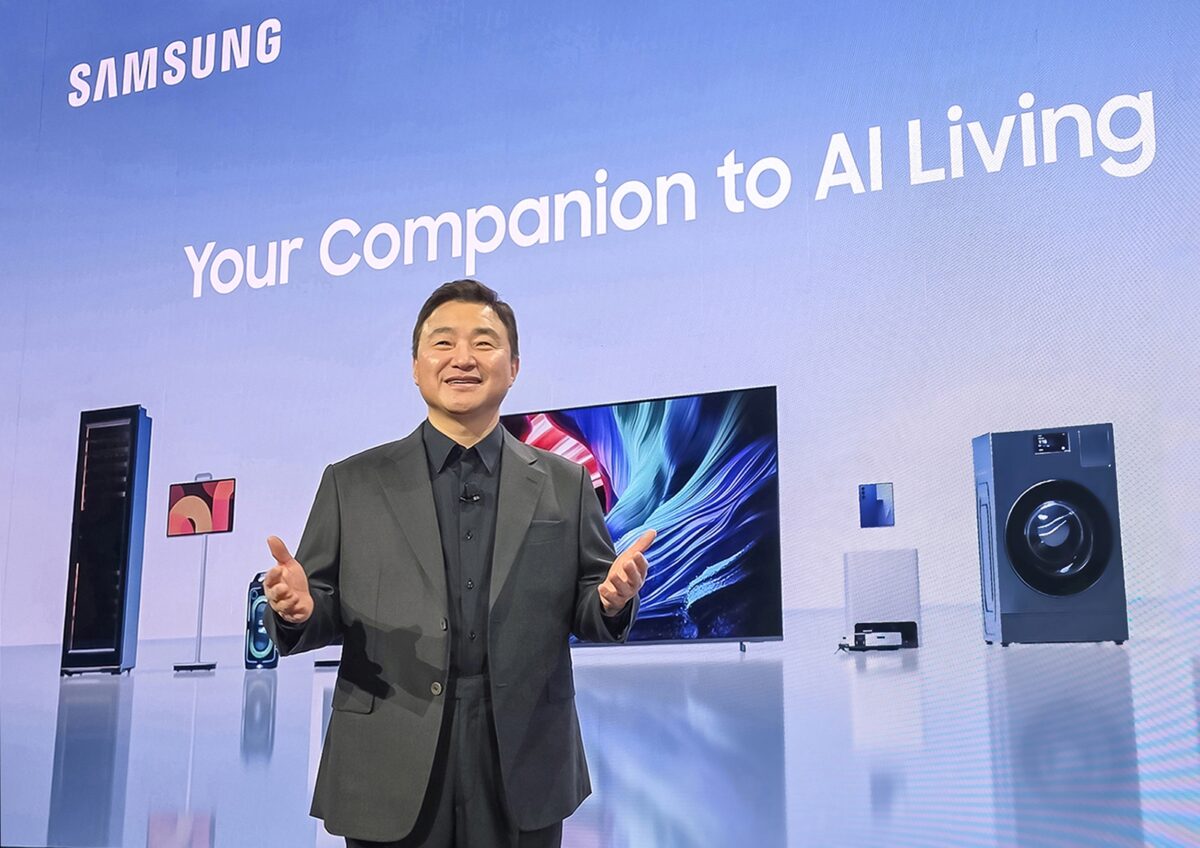
At the silicon level, platforms like Intel's Core Ultra 300 "Panther Lake," Qualcomm's Snapdragon X2 Plus, and AMD's Ryzen AI Max+ chips were recognized not just for raw TOPS numbers, but for making local AI workloads practical in thinner, more affordable devices. This trend showed up across categories, from laptops and mobile devices to robotics and smart home tech.
Laptops got lighter, more modular, and more repairable
The Best Laptop category reflected a clear design philosophy change. Lenovo's ThinkPad X1 Carbon Gen 14 Aura Edition won for embracing modularity and serviceability, proving that premium business laptops do not have to be sealed, disposable devices. The ability to replace individual components aligns closely with sustainability goals and right-to-repair efforts that gained momentum throughout 2025.

Other finalists, such as dual-screen and rollable-display laptops, showed that experimentation is still alive, but the winner emphasized practicality over spectacle. Thin, powerful laptops that can be maintained over years, not just replaced, resonated most with judges.
Robots moved beyond novelty into real jobs
Robotics had one of its strongest showings in years. Boston Dynamics' Atlas humanoid robot took the Best Robot award, not because it danced or performed tricks, but because it is already being prepared for real deployment in manufacturing environments.
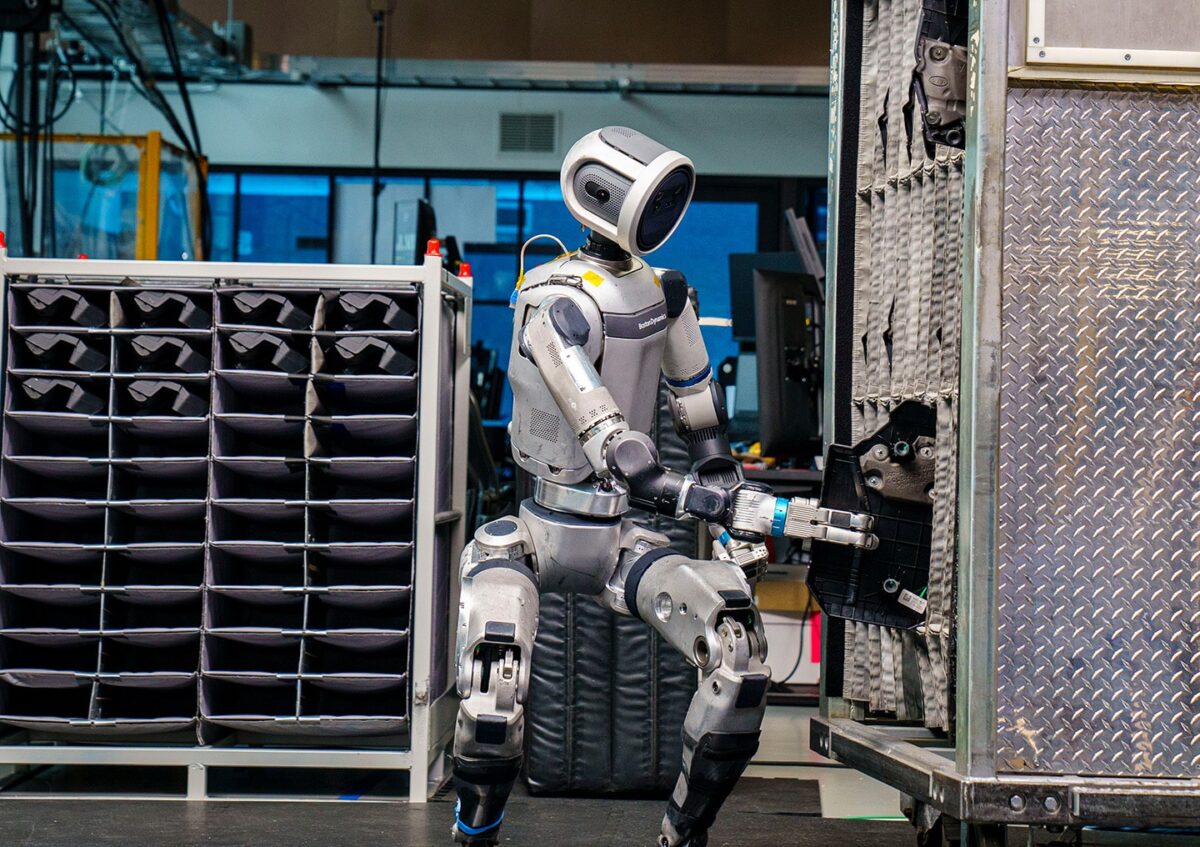
Unlike earlier humanoid concepts, Atlas demonstrated stability, repeatability, and task-focused movement, signaling that robots are finally crossing from demo stage into practical use. Other winners in sustainability and yard tech reinforced this theme, with robots designed to clean pools, mow lawns, and monitor ecosystems with minimal human intervention.
TVs and displays pushed color and flexibility, not just size
TV technology at CES 2026 leaned heavily into color accuracy, brightness, and installation flexibility rather than chasing resolution alone. Samsung's S95H OLED won Best TV or Home Theater Tech by combining higher brightness, wired and wireless connectivity options, and support for art-display modes without burn-in concerns.
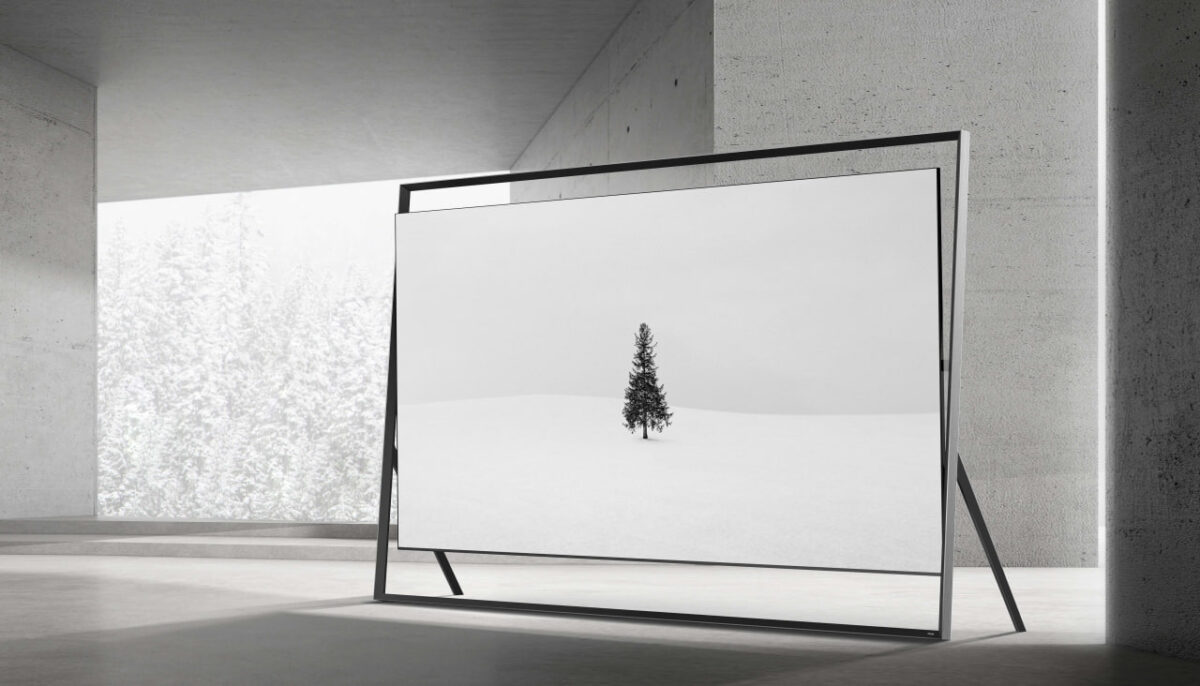
RGB-based display technologies from multiple manufacturers also earned recognition, showing that the industry is serious about expanding color gamuts beyond traditional OLED and mini-LED approaches. These advances matter less on spec sheets and more in real-world viewing, especially in brighter rooms.
Gaming innovation focused on form factors, not just power
Gaming winners reflected a similar maturity. Instead of simply rewarding the most powerful hardware, the judges highlighted devices that rethink how and where games are played. Lenovo's Legion Pro Rollable concept took Best Gaming by bringing ultrawide gaming to a laptop without permanently increasing its footprint.
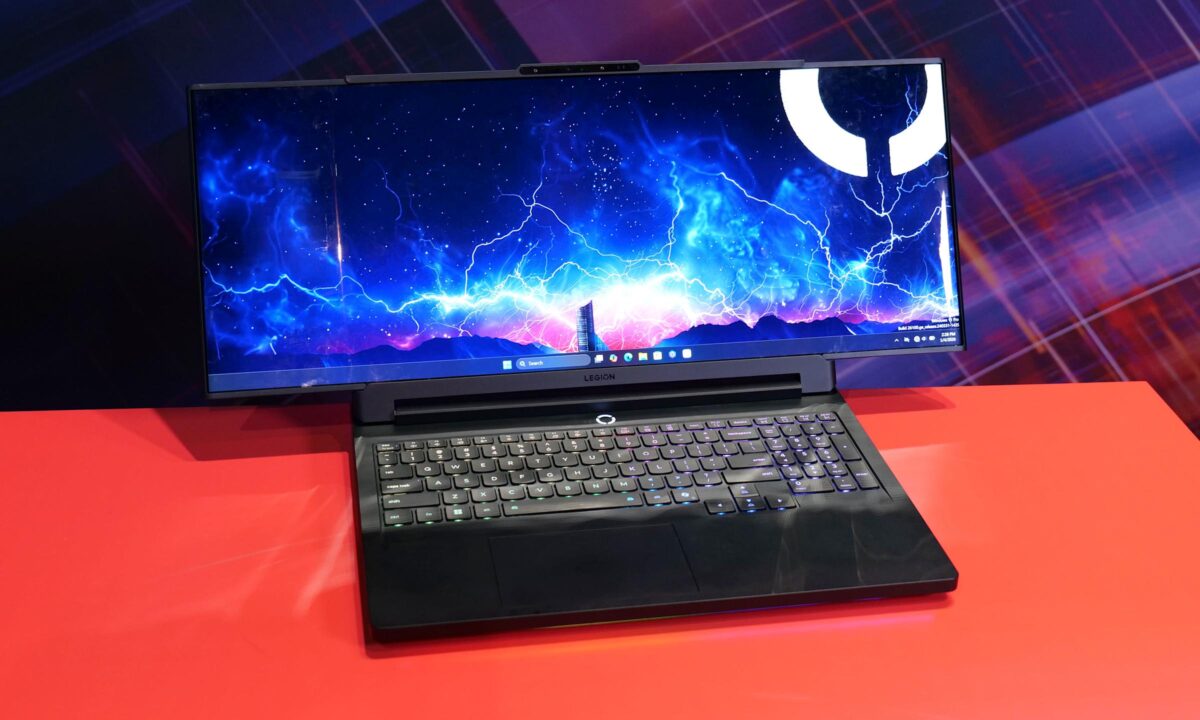
Augmented reality gaming accessories and dual-screen designs also earned attention, reinforcing that portability and flexibility are becoming just as important as raw GPU performance for players who game across multiple environments.
Health, accessibility, and everyday problems took center stage
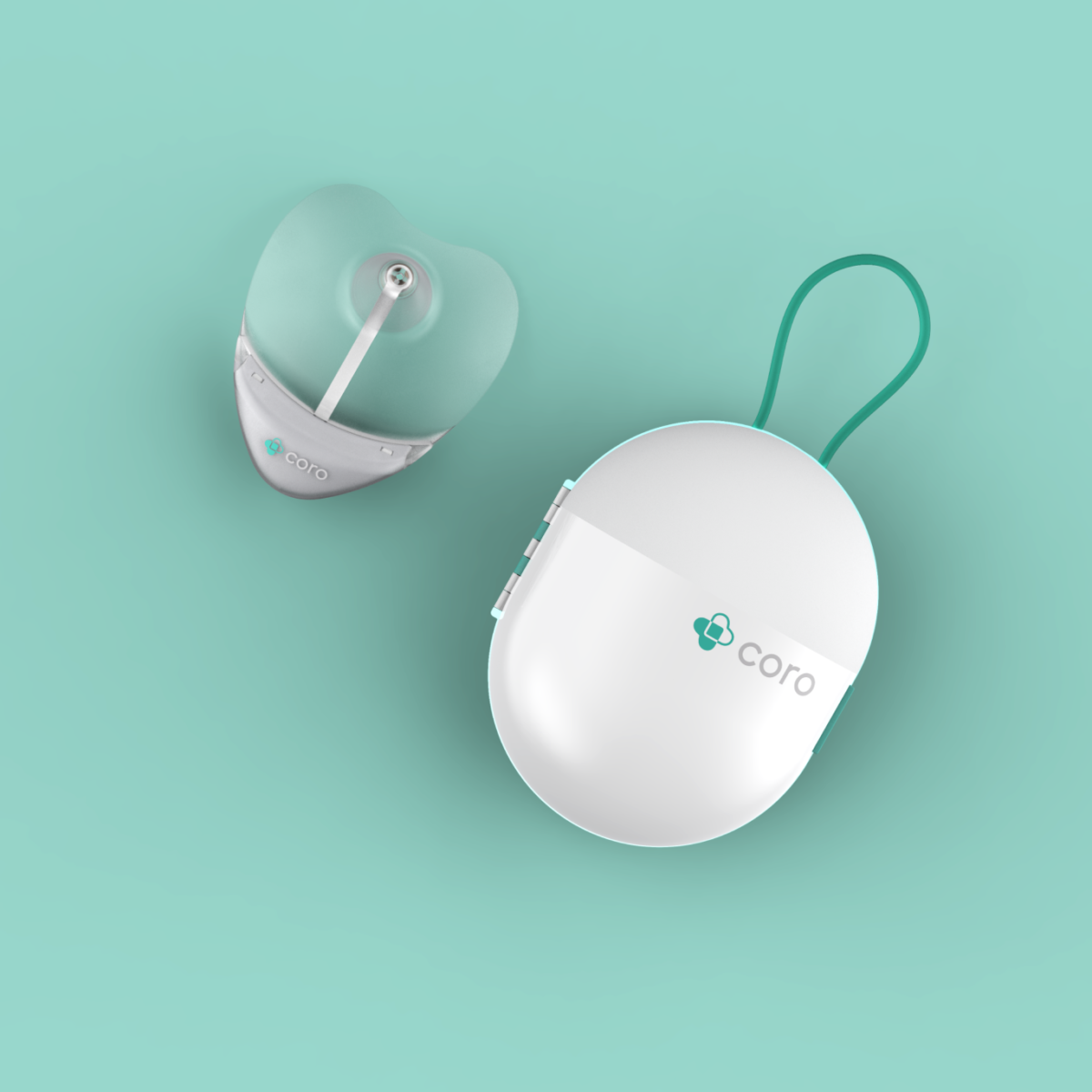
Some of the most compelling winners were not flashy at all. Devices like Coro, which helps parents measure infant feeding, and Peri, a wearable designed to track perimenopause symptoms, showed how technology is increasingly addressing overlooked health needs.
In accessibility and transportation, autonomous mobility aids and electric wheelchair attachments demonstrated how AI and robotics can improve independence rather than simply automate tasks for convenience.
Startups and "weird tech" still had a place
CES would not be CES without some strange ideas, and the Best Weird Tech category delivered exactly that. While not every concept is destined for mass adoption, the presence of experimental products alongside serious enterprise tools highlights the role CES still plays as a testing ground for unconventional ideas.
At the same time, the Best Startup category rewarded companies focused on safety, sustainability, and practical utility, including portable allergen detection and compact recycling solutions.
What the Best of CES 2026 list really says
Taken together, the Best of CES 2026 winners point to a technology industry that is becoming more grounded. AI is no longer treated as a standalone feature, but as infrastructure baked into hardware. Devices are getting lighter, more repairable, and more specialized for real-world use. Robots are moving into jobs that make sense, and consumer tech is increasingly judged by how well it fits into daily life.
CES will always be about bold ideas, but this year's awards suggest that the most exciting advances are the ones that quietly work, scale, and last.
Thank you for being a Ghacks reader. The post Best of CES 2026 Winners Highlight Where Consumer Tech Is Actually Heading appeared first on gHacks Technology News.






0 Commentaires